
Floor Installation in Houston, TX: Comparing Hardwood, Tile, Vinyl & Laminate for Residential and Commercial Spaces
January 19, 2026Floor Installation in Houston, TX: Comparing Hardwood, Tile, Vinyl & Laminate for Residential and Commercial Spaces is a critical decision-making process for homeowners, business owners, property managers, and developers operating in a region defined by high humidity, temperature fluctuations, and heavy foot traffic. As a Full-Service Flooring Company in Houston understands, the Gulf Coast climate presents unique challenges that directly impact flooring performance, longevity, and maintenance requirements, making professional guidance and proper installation essential for long-term success.
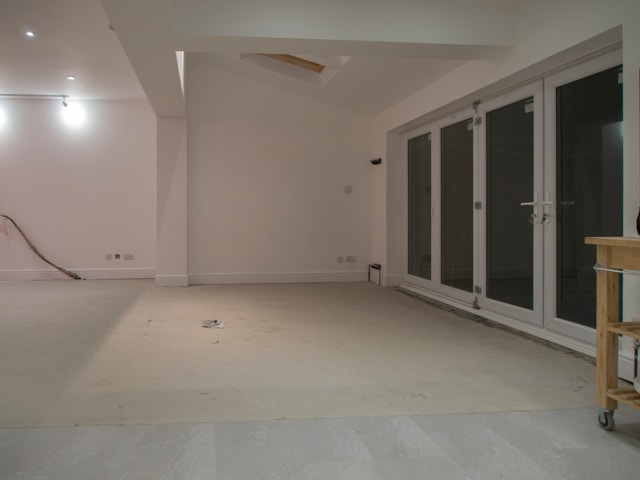
From classic hardwood flooring to moisture-resistant luxury vinyl plank (LVP), durable porcelain tile, and budget-friendly laminate, each material offers distinct advantages and limitations. Proper professional floor installation, combined with thorough subfloor preparation and moisture testing, ensures long-term durability and aesthetic value. This comprehensive guide explores flooring materials, installation methods, and best practices tailored to Houston’s environmental conditions and diverse residential and commercial applications.
Understanding Professional Floor Installation
Professional floor installation involves far more than simply placing planks or tiles. A successful flooring system requires:
- Subfloor inspection and preparation
- Moisture testing (especially critical in Houston)
- Material acclimation
- Correct installation method selection
- Expansion allowance planning
- Warranty compliance
Improper installation often leads to premature failure, uneven surfaces, squeaking, lifting, or moisture damage. For both residential and commercial spaces, hiring experienced installers is essential for protecting the investment.
The Houston Humidity Factor
Houston’s climate is characterized by:
- High year-round humidity
- Heavy rainfall
- Occasional flooding
- Warm temperatures
These environmental factors significantly impact flooring materials, particularly wood-based products. Moisture control must be addressed before installation to prevent:
- Expansion and warping
- Buckling
- Mold growth
- Adhesive failure
Moisture Testing
Before any professional floor installation, moisture testing should be conducted on:
- Concrete slabs
- Wooden subfloors
- Crawl spaces
Moisture barriers may be required depending on results. Ignoring this step is one of the most common causes of flooring failure in Houston homes and commercial properties.
Hardwood Flooring: Timeless Beauty & Long-Term Value
Hardwood flooring remains one of the most desirable flooring options for residential spaces and select commercial environments.
Benefits of Hardwood Flooring
- Long Lifespan With proper maintenance, hardwood floors can last 30 years or more.
- High Resale Value Hardwood is a strong selling point for homebuyers.
- Timeless Aesthetic Appeal Natural wood grain provides warmth and elegance.
- Refinishing Capability Hardwood can be sanded and refinished multiple times.
Houston Considerations
Due to high humidity levels, hardwood flooring requires:
- Acclimation before installation
- Indoor humidity control (ideally 35–55%)
- Proper subfloor moisture barriers
- Professional nail-down or glue-down installation
Failure to control moisture can lead to expansion, cupping, or warping. Organizations such as the National Wood Flooring Association (NWFA) (https://www.nwfa.org/) provide industry standards for proper installation and maintenance.
Best Applications
- Living rooms
- Bedrooms
- Offices
- Upscale retail environments
Hardwood is less ideal for bathrooms or areas prone to water exposure unless engineered wood with added moisture protection is used.
Luxury Vinyl Plank (LVP): Durable & Water-Resistant
Luxury Vinyl Plank (LVP) has rapidly grown in popularity due to its versatility, affordability, and moisture resistance.
Why LVP is a Leading Choice in Houston
- Water Resistance Ideal for kitchens, bathrooms, and entryways.
- Durability Resistant to scratches, dents, and heavy foot traffic.
- Cost Efficiency Lower cost than hardwood with similar visual appeal.
- Realistic Design Options Mimics wood or stone with impressive detail.
- Ease of Maintenance Simple cleaning and minimal upkeep.
Installation Methods
LVP can be installed using:
- Floating click-lock systems
- Glue-down methods for commercial spaces
Glue-down LVP is often preferred in high-traffic commercial environments for added stability.
Ideal Applications
- Kitchens
- Bathrooms
- Restaurants
- Retail stores
- Multi-family properties
For property owners seeking durability and water resistance, LVP offers one of the best solutions in Houston’s humid environment.
Tile Flooring: Porcelain & Ceramic Strength
Porcelain and ceramic tile are among the most durable flooring materials available.
Benefits of Tile Flooring
- Excellent Moisture Resistance Ideal for Houston’s humidity and water-prone areas.
- High Traffic Durability Suitable for commercial spaces.
- Design Versatility Wide variety of colors, textures, and finishes.
- Low Maintenance Easy to clean and resistant to staining.
Critical Installation Factors
Tile flooring success depends on:
- Proper underlayment
- Level subfloor
- Expansion joints
- Grout sealing
The Tile Council of North America (TCNA) (https://www.tcnatile.com/) provides guidelines to ensure installation meets performance standards.
Best Applications
- Bathrooms
- Kitchens
- Entryways
- Commercial lobbies
- Medical facilities
While tile is extremely durable, improper installation can lead to cracked grout, loose tiles, or uneven surfaces.
Laminate Flooring: Affordable & Attractive
Laminate flooring offers a cost-effective alternative to hardwood and tile.
Advantages of Laminate
- Budget-friendly
- Scratch-resistant surface
- Easy floating installation
- Wide range of design styles
Limitations in Houston
Laminate flooring is not fully waterproof. Excessive moisture can cause:
- Swelling
- Edge lifting
- Surface damage
Moisture barriers and careful installation are essential when using laminate in Houston properties.
Ideal Applications
- Bedrooms
- Living rooms
- Offices
- Light commercial spaces
Laminate works best in low-moisture environments with moderate foot traffic.
Subfloor Preparation: The Foundation of Success
Subfloor preparation is one of the most critical yet overlooked aspects of professional floor installation.
Subfloor Preparation Includes:
- Leveling uneven surfaces
- Inspecting concrete slabs for cracks
- Installing moisture barriers
- Repairing damaged wood decking
- Removing debris and contaminants
Risks of Poor Subfloor Preparation
- Uneven floors
- Squeaking
- Premature material failure
- Adhesive breakdown
- Visible imperfections
In Houston’s climate, moisture testing combined with vapor barrier installation is often necessary—especially for slab-on-grade homes.
Commercial vs Residential Applications
Floor Installation in Houston, TX: Comparing Hardwood, Tile, Vinyl & Laminate for Residential and Commercial Spaces must account for usage differences.
Residential Considerations
- Comfort underfoot
- Style preferences
- Noise reduction
- Moisture protection
Commercial Considerations
- Heavy foot traffic
- Durability
- Slip resistance
- Maintenance costs
- ADA compliance
For example:
- LVP and tile perform well in commercial settings.
- Hardwood is more common in residential homes or boutique spaces.
- Laminate is suitable for light commercial use.
Installation Methods Explained
Choosing the correct installation method impacts durability and performance.
Nail-Down Installation
Common for solid hardwood. Provides stability but requires wood subfloors.
Glue-Down Installation
Used for engineered wood, tile, and commercial LVP. Offers strong adhesion, especially in high-traffic areas.
Floating Installation
Common for laminate and click-lock LVP. Easier and faster to install but may shift if subfloor preparation is inadequate.
Professional installers determine the best method based on:
- Material type
- Subfloor condition
- Environmental conditions
- Manufacturer guidelines
Best Practices for Houston Property Owners
To ensure successful floor installation:
- Conduct moisture testing before installation.
- Choose materials suited to Gulf Coast humidity.
- Allow materials to acclimate to indoor conditions.
- Hire experienced installers.
- Confirm manufacturer warranty details.
- Follow maintenance recommendations.
Organizations like the World Floor Covering Association (WFCA) (https://wfca.org/) provide resources to support informed flooring decisions.
Choosing a Professional Flooring Contractor
Working with experienced professionals ensures:
- Code compliance
- Moisture mitigation
- Accurate measurements
- Proper expansion gaps
- Warranty adherence
Local providers such as Royal Floors of Houston (https://www.royalfloorsofhouston.com/) offer flooring solutions tailored to Houston’s climate and property types.
When selecting a contractor, verify:
- Licensing and insurance
- Experience with your chosen material
- Written estimates
- Warranty coverage
Long-Term Maintenance Considerations
Each flooring type requires specific care:
- Hardwood: Maintain humidity levels and refinish as needed.
- LVP: Regular cleaning; avoid abrasive chemicals.
- Tile: Seal grout lines periodically.
- Laminate: Prevent standing water exposure.
Routine inspections and proper cleaning extend the lifespan of any flooring system.
Conclusion
Floor Installation in Houston, TX: Comparing Hardwood, Tile, Vinyl & Laminate for Residential and Commercial Spaces involves careful consideration of climate, usage demands, moisture exposure, and long-term performance expectations. Hardwood offers timeless beauty and resale value but requires humidity control. Luxury vinyl plank provides water resistance and durability ideal for both residential and commercial environments. Porcelain and ceramic tile excel in moisture-prone and high-traffic areas. Laminate delivers affordability and style for controlled indoor environments.
Ultimately, successful flooring outcomes depend on professional floor installation, thorough subfloor preparation, moisture testing, and proper material selection. By understanding Houston’s environmental challenges and choosing experienced installers, property owners can achieve durable, attractive, and long-lasting flooring solutions tailored to both residential comfort and commercial functionality.